Coal Seam Gas (CSG)
COAL SEAM GAS (CSG)
characteristics
Coal Seam Gas (CSG) and Coal Bed Methane (CBM) applications involve dewatering coal seams to produce methane gas. These wells typically start with a low gas-to-water ratio, which increases over time as water is produced from the depressurized reservoir. Progressing Cavity Pumps are well suited for CSG applications because they offer a broad range in flow rates, and their flow rate easily varied through simple speed adjustments. Produced fluid in CSG wells often contains solids, such as coal fines, clays, and frac sand, as well as free gas, which PCPs can handle effectively.
Challenge
While PCPs are the most suitable artificial lift method for most CSG applications, challenges and opportunities remain for improving pump run life. In certain applications, produced solids can lead to severe stator and rotor wear. Success in a CSG application is highly dependent on stator-rotor fit: a tight fit can lead to high torque caused by elastomer swell, while a loose fit can accelerate wear and reduce efficiency. Operating pumps at low bottomhole pressure also increases the risk of severe heat build-up. Free gas production through the pump can create uneven pressure distribution, with stress concentrated near the pump discharge end, and lead to elastomer failure.
SOLUTIONS
PC PUMP MODELS
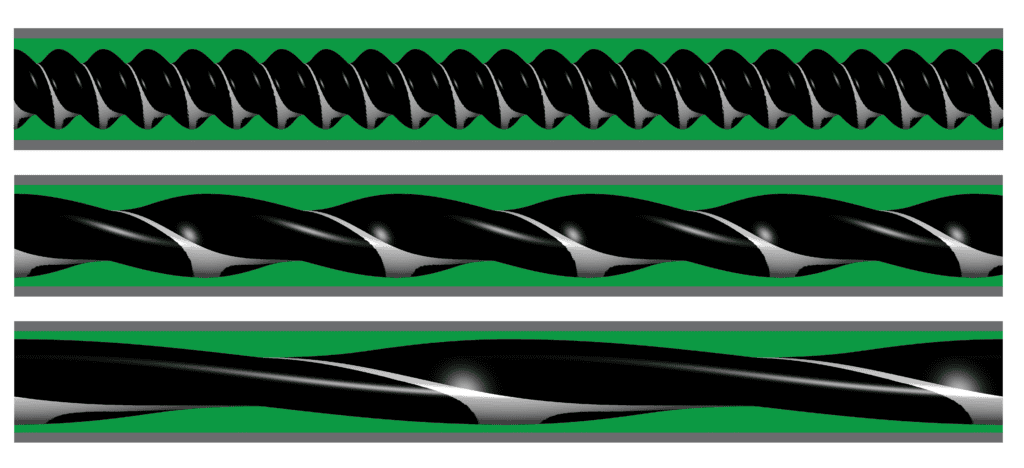
Lifting Solutions manufactures many low-volume small-form factor PCPs specifically for CSG/CBM applications. Special attention to pump geometry is often required to handle the fine solids produced through the pump in certain CSG applications. Based on a variety of geometric parameters - such as rotor sliding velocity, geometry index, rotor swept angle - we can recommend or newly develop an optimal pump model and design for each CSG well.
ELASTOMERS
Our elastomers are custom developed keeping in mind the demands of CSG applications. Our medium nitrile elastomers, MN1 and SN1, offer the highest level of bond integrity, optimal water swell, excellent wear resistance and mechanical properties. MN1 elastomer has a successful record in hundreds of CSG applications in Australia, India and USA. We have a fully equipped elastomer lab and a team of in-house elastomer experts supporting new elastomer development, raw elastomer quality control and application selection. Each manufactured stator is verified for elastomer and bond integrity using standard protocols. Refer to our elastomer brochure or request our ISO 15136-1 datasheet for more details on our elastomers.
LAB & PRODUCT-SCALE SWELL EVALUATION
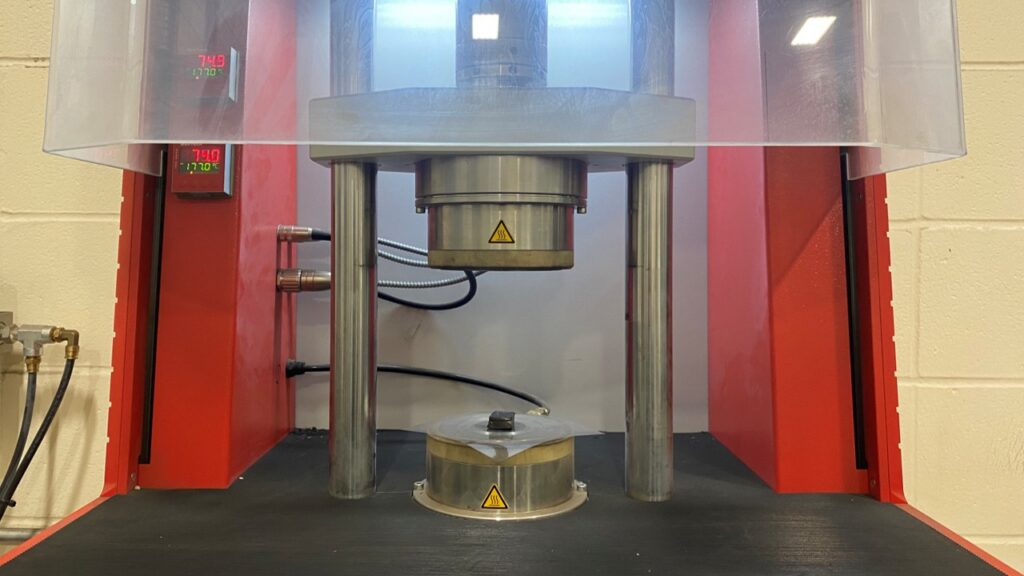
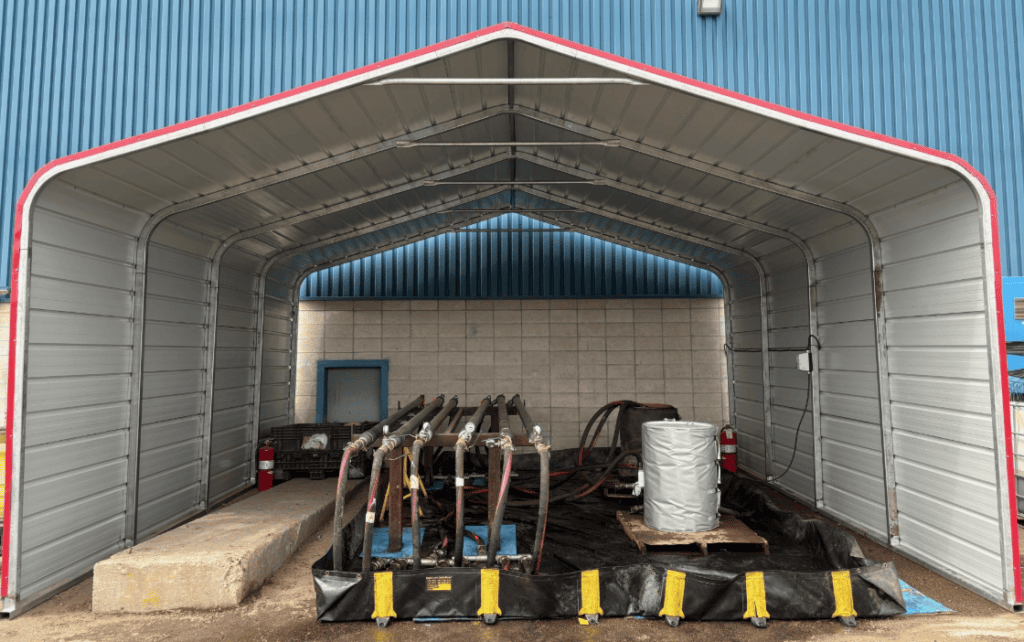
Lab compatibility tests using numerous actual and representative CSG fluids are performed with our elastomers to support elastomer selection. In addition, a product-scale swell apparatus has been developed to simulate various downhole fluid environments and quantify downhole stator swell. These efforts enable accurate prediction of downhole swell and support selection of the right stator-rotor fit and associated test-bench target for each new CSG application [1].
SOLIDS WEAR EVALUATION
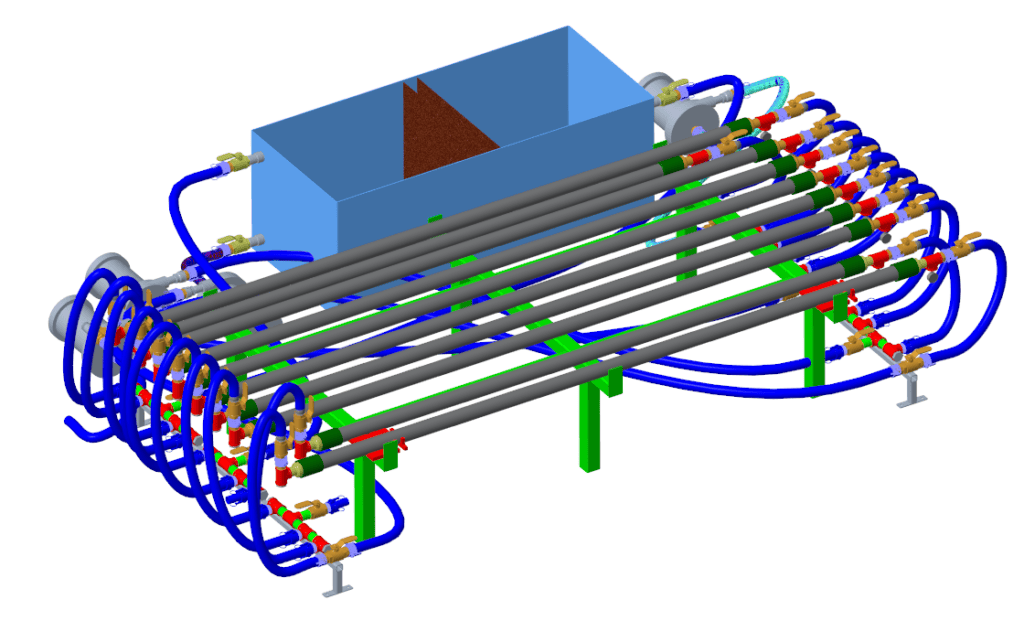
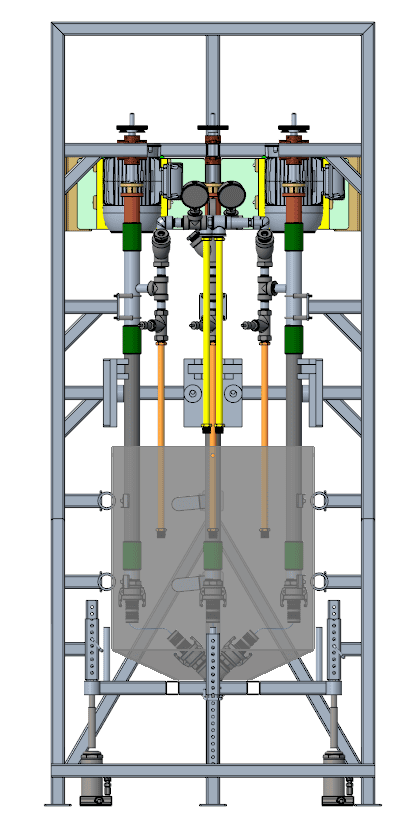
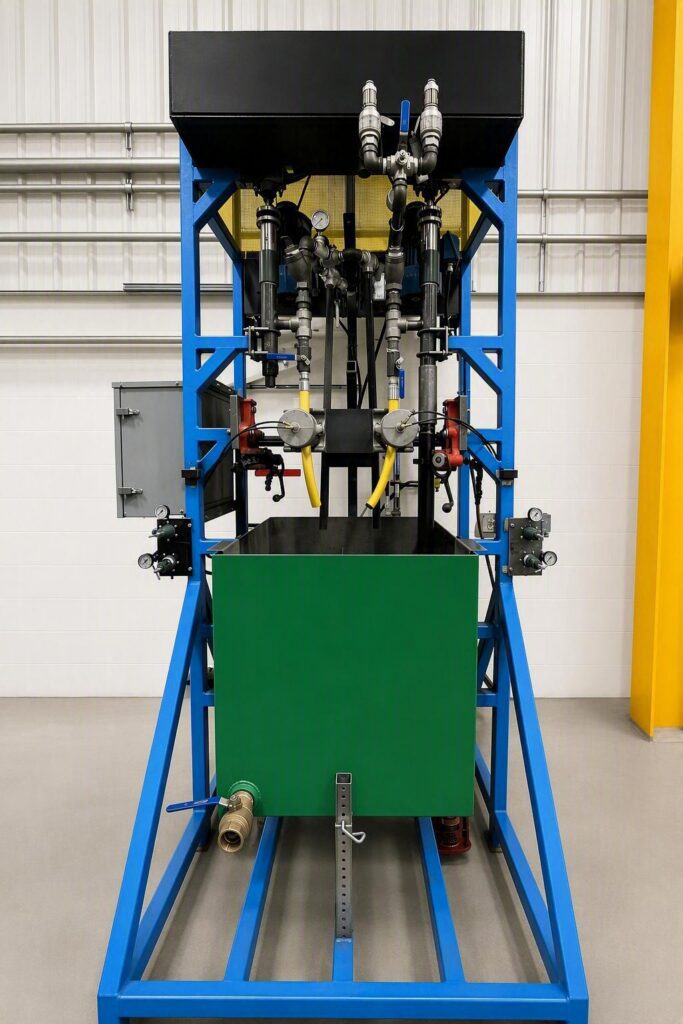
Lifting Solutions has developed a product-scale wear tester to measure pump wear under different scenarios. Tests simulating CSG produced fluid environment, utilizing representative solids, are performed to compare rotor coatings, elastomers and pump geometries for their relative wear resistance and to support choosing the right product for applications. Our testing has demonstrated improved wear performance of alternative rotor coatings, which is part of our product offering in addition to chrome-coated rotors.
PUMP-OFF & FREE GAS EVALUATION
Specialized test apparatuses for evaluating pump performance and degradation under fluid-starved conditions and high free-gas levels enable the development of product operating guidelines and customized pump models and designs. Our gas management solutions include the TaperAL® pump and GasAL® gas separator. TaperAL pump offers uniform pressure distribution, achieved through a tapered stator design that creates preferential slippage toward the discharge end and helps reduce elastomer stress. GasAL is a modified poor-boy style separator optimized for high-viscosity, foamy fluids, reducing the volume of free gas that reaches the pump intake and improving liquid throughput and volumetric efficiency.
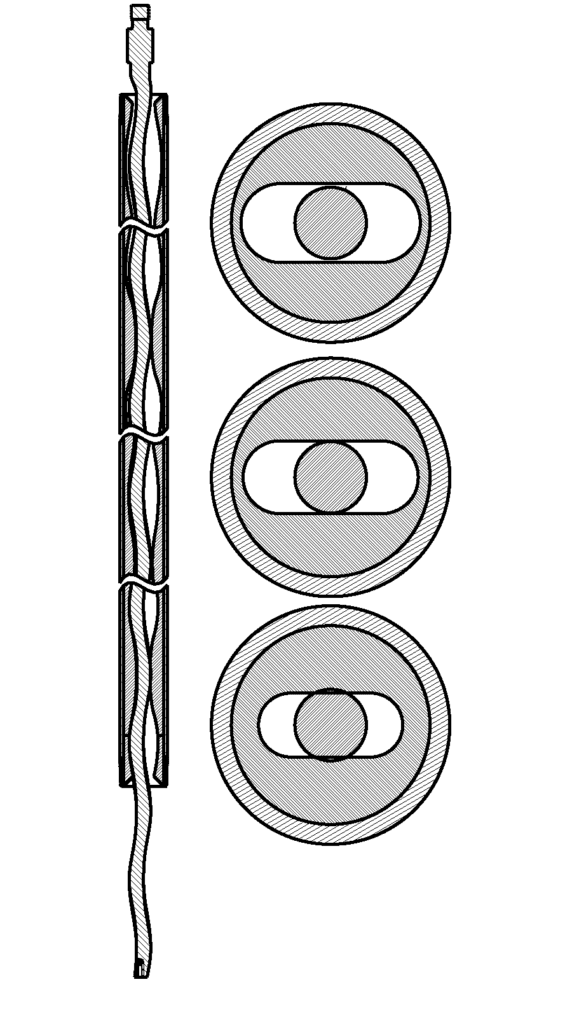
Together, TaperAL® and GasAL® have delivered smoother operation, extended pump run life, and reduced torque fluctuations in field trials across heavy oil and coalbed methane applications [2].
Reference: [1] S. Lakshminarayanan, A. N. Prakash, J. Song, and L. Dunn. "Progressing Cavity Pumps for Coal Seam Gas Well Dewatering: Advanced Pump Sizing Framework," Paper 234446-MS, presented at the SPE Asia Pacific Oil & Gas Conference and Exhibition, Brisbane, October 2026. [2] A. Prakash, L. Dunn, R. Rowan, M. Wajeed, and J. Song. "Tapered PC Pump for Gassy Applications," World Oil, Advances in Production Special Focus, November 2025.
SOLUTION SPOTLIGHTS
The Solution Spotlights below showcase real-world Coal Seam Gas applications and the performance outcomes achieved using our technologies.
Let's solve your lift challenges.
Reach out and Experience Performance with Lifting Solutions.